Source Modern Picture Frame Hook for Homes, Offices, Galleries
Compare 30 listings for the modern picture frame hook designed for hanging photo frames, artwork, and sundries. Buyers can evaluate options with stock availability, various sizes, and self-adhesive installation methods from suppliers in Guangdong.
Key considerations
Products List

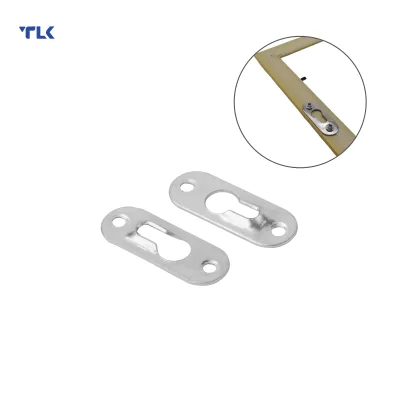
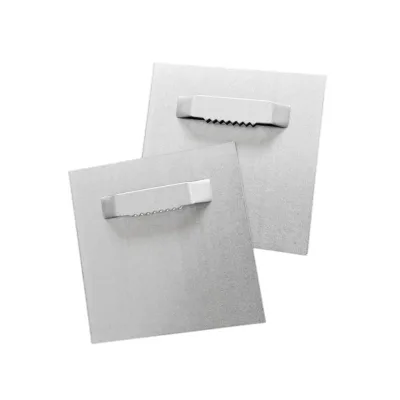
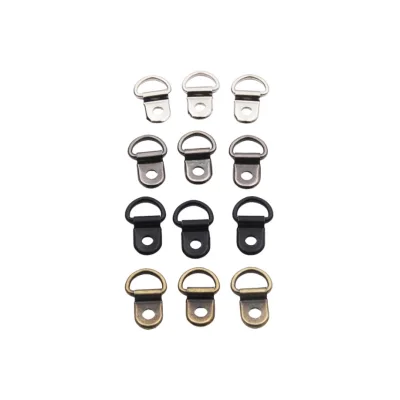
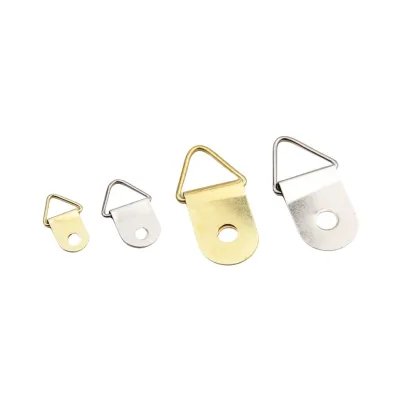





Comprehensive Sourcing Guide
Modern Picture Frame Hook Sourcing Guide
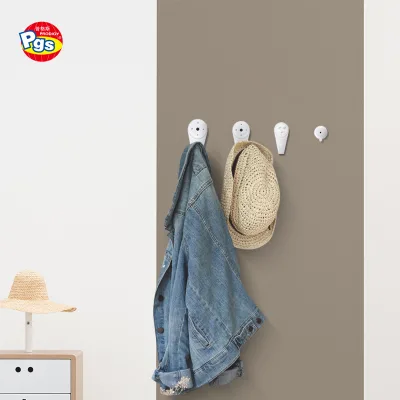
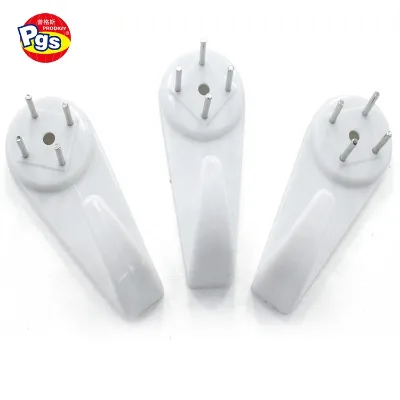
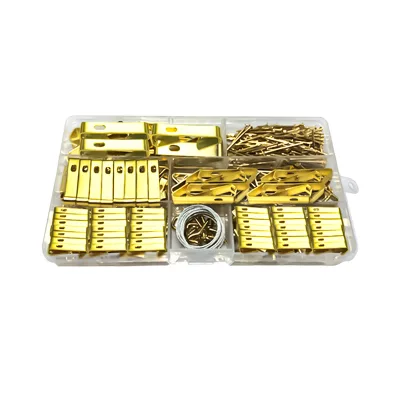
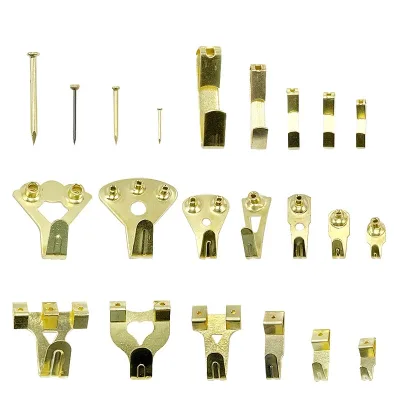
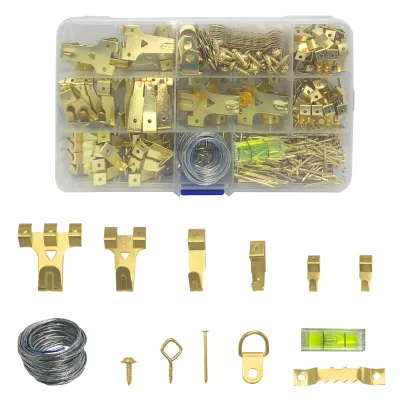
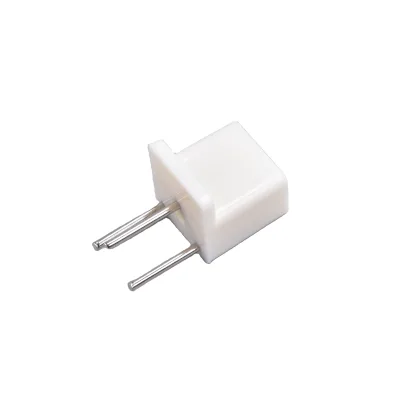
Sourcing modern picture frame hooks requires a nuanced understanding of the shift from traditional metal hardware to integrated adhesive and minimalist design solutions. The current market offers a diverse array of options, ranging from simple single-hook adhesive strips to multi-hook rails designed for gallery walls. Buyers must distinguish between products that rely on mechanical fastening and those utilizing advanced adhesive technologies, as this distinction fundamentally impacts installation requirements, wall compatibility, and long-term durability. The core keyword "modern picture frame hook" often encompasses products that prioritize aesthetic minimalism, such as white ABS plastic hooks with seamless nail designs, which allow for hanging heavy frames without damaging drywall or plaster surfaces.
Procurement decisions in this category are heavily influenced by the specific use case, whether for residential home decor, commercial gallery installations, or retail display systems. The observed product landscape includes items explicitly marketed for hanging photo frames, sundries, and general wall organization. Buyers should note that while many suppliers offer OEM and ODM services, allowing for custom branding and packaging, the underlying functional design remains consistent across most listings. Understanding the balance between aesthetic appeal, such as classic or multifunctional styles, and practical performance metrics like load-bearing capacity and adhesive strength is essential for selecting the right supplier partnership.
Product Scope and Observed Listing Signals
The observed product scope reveals a significant concentration on ABS plastic materials combined with nail or adhesive components, indicating a market preference for lightweight yet durable solutions. Listings frequently highlight features such as "Stocked" availability and "Eco-Friendly" attributes, suggesting that buyers can expect relatively quick turnaround times for standard items. The presence of specific model numbers like HR11 and HR24, along with variations in hook counts (ranging from one to five hooks per unit), demonstrates that suppliers cater to different hanging densities and weight distributions. Buyers should recognize that these model variations often correspond to different size classes, such as S, M, and L, which directly correlate with the intended frame dimensions and weight limits.
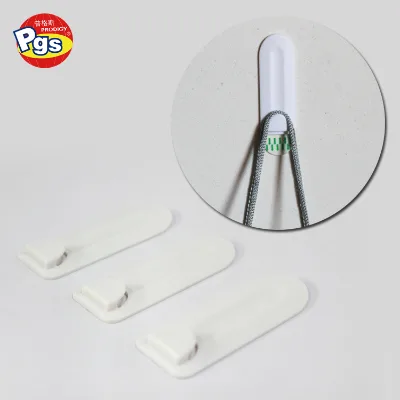
Observed listing signals also point to a strong emphasis on installation convenience, with terms like "Self-Adhesive," "No Nail Sticker," and "Seamless Nail No Punching" appearing prominently. These features address a primary consumer pain point: the desire to hang artwork without creating holes or requiring specialized tools. The geographic origin of these products is predominantly Guangdong, China, with specific factory locations noted in Panyu district, Guangzhou. This regional concentration suggests a mature supply chain with established logistics networks, which can be advantageous for buyers seeking consistent quality and reliable shipping schedules. However, buyers must verify that the "Stocked" status applies to their specific size and color requirements, as inventory levels may vary by SKU.
Technical Specifications to Verify
Technical verification begins with the physical dimensions and packaging details, which are critical for logistics planning and retail shelving. Suppliers provide specific single package sizes, such as 10x16.5x2.8 cm or 11.5x18x1.25 cm, along with single gross weights ranging from 1.000 kg to 1.200 kg. These metrics are essential for calculating freight costs and determining storage requirements. Buyers should also pay close attention to the dimensional tolerance, which is listed as less than ±1mm, indicating a relatively high level of manufacturing precision. This tolerance ensures that hooks fit consistently into packaging and that the adhesive surfaces align correctly during installation, reducing the risk of user error or product failure.
The material composition and functional design are equally important technical factors. Most observed products are constructed from ABS plastic, often combined with a nail or adhesive backing, and are available in white or other neutral colors to blend with various interior designs. The "Multifunctional" design attribute suggests that these hooks may be used for more than just picture frames, potentially accommodating small shelves or decorative items. Buyers must verify the specific installation type, whether it is wall-mounted via adhesive or requires drilling, as this impacts the target customer base. Additionally, the presence of OEM and ODM capabilities means that buyers can request custom colors, packaging, or even slight structural modifications, but these requests will likely affect the minimum order quantity and production lead time.
Compliance and Safety Documentation
While specific certification statuses are not explicitly detailed in the observed listings, buyers must proactively request compliance documentation to ensure market access and consumer safety. In many regions, plastic products used in home environments must meet specific chemical safety standards, such as restrictions on phthalates or heavy metals. Buyers should verify that the ABS plastic used in the hooks is free from harmful substances and that the adhesive components do not emit volatile organic compounds (VOCs) that could affect indoor air quality. Requesting material safety data sheets (MSDS) for the adhesive and plastic components is a standard due diligence step that helps mitigate liability and ensures alignment with local regulations.
Furthermore, buyers should inquire about quality management systems and testing protocols employed by the supplier. Although the listings mention "Eco-Friendly" attributes, this claim should be substantiated by relevant environmental certifications or third-party test reports. Buyers must also consider the structural integrity of the hooks, particularly for models with multiple hooks or those designed for heavier frames. While specific load-bearing test results are not provided in the observed data, buyers should request evidence of stress testing or durability assessments to ensure that the hooks can safely support the intended weight over time. This verification is crucial for maintaining brand reputation and avoiding customer complaints related to product failure.
Cost Drivers and Commercial Terms
Cost structures in the modern picture frame hook market are influenced by several key factors, including material costs, customization levels, and order volume. The observed minimum order quantity (MOQ) ranges from 1 to 100,000 units, with specific listings indicating MOQs such as 3024 sets. This wide range suggests that suppliers are flexible and can accommodate both small trial orders and large-scale production runs. Buyers should note that while the observed price range is listed as 0-2.4 USD, this likely represents a broad spectrum from basic single hooks to more complex multi-hook systems. The actual unit cost will depend heavily on the specific model, material thickness, and adhesive quality selected.
Commercial terms also play a significant role in the total cost of ownership. Production times are typically within 30 days after order confirmation, while sample times are generally within 7 days. These lead times allow for reasonable planning but require buyers to factor in shipping duration when managing inventory. Buyers should also consider the impact of customization on pricing; OEM and ODM services are highly welcomed, but custom packaging, branding, or structural modifications may incur additional setup fees or higher unit costs. Understanding these variables helps buyers negotiate more effectively and align their procurement strategy with their budgetary constraints and timeline requirements.
Supplier Qualification and Quality Control
Supplier qualification in this sector should focus on manufacturing capability and quality assurance processes. Given the concentration of suppliers in Guangdong, China, buyers can leverage the region's expertise in plastic injection molding and adhesive manufacturing. However, it is essential to verify the supplier's production capacity and consistency, especially when dealing with high-volume orders. Buyers should request information about the supplier's quality control procedures, including in-process inspections and final random inspections (FRI). A robust QC process ensures that defects such as cracks in the ABS plastic or weak adhesive bonds are identified and rectified before shipment.
Additionally, buyers should assess the supplier's responsiveness and communication capabilities, particularly when dealing with OEM/ODM requests. The ability to provide accurate samples within 7 days and maintain clear communication throughout the production process is a strong indicator of a reliable partner. Buyers should also consider the supplier's flexibility in handling changes or issues, as this can significantly impact the procurement experience. Establishing a clear quality agreement that defines acceptable defect rates and remediation procedures is a critical step in mitigating risk and ensuring that the delivered products meet the buyer's standards.
Long-Term Procurement Checks
Long-term procurement success depends on continuous monitoring of product performance and supplier reliability. Buyers should establish a feedback loop with end-users to gather data on hook performance, including adhesive longevity and load-bearing capacity. This feedback can inform future design iterations and help identify potential issues before they become widespread. Regular audits of supplier quality systems and production facilities can also help maintain high standards and ensure that the supplier remains committed to continuous improvement. Buyers should also stay informed about market trends and technological advancements in adhesive and plastic materials, as these developments may offer opportunities for cost savings or product enhancement.
Finally, buyers should diversify their supplier base to mitigate supply chain risks. While the observed listings indicate a strong presence of suppliers in Guangdong, relying on a single source can be risky in the event of production disruptions or quality issues. Developing relationships with multiple qualified suppliers allows buyers to compare pricing, quality, and service levels, fostering a competitive environment that benefits the procurement function. By maintaining a strategic approach to supplier management and product evaluation, buyers can ensure a steady supply of high-quality modern picture frame hooks that meet the evolving needs of their customers.
FAQs
How long does it take to receive samples?
Samples are available within 7 days against your requirement. This timeline applies to the stocked picture hanging wall hooks made of ABS material, ensuring quick evaluation before bulk orders.
What is the production time for bulk orders?
Production takes within 30 days after the confirmation of your order. This applies to the HR11 model picture hanging wall hooks manufactured in Guangdong, China, using ABS and nail materials.
Which installation method is used for these hooks?
The hooks use a self-adhesive installation method that requires no punching. This feature allows for seamless mounting of photo frames on walls without damaging the surface, utilizing strong acrylic components.
Can I customize the product with my brand?
Yes, OEM and ODM services are highly welcomed for customization. Buyers can request specific branding or design changes for the picture hanging wall hooks while maintaining the standard ABS plastic material quality.
What is the minimum order quantity for these hooks?
The minimum order quantity is 3024 sets for this specific item. This MOQ applies to the photo frame wall hook model HR24, which features a classic style and single package size of 11.5x18x1.25 cm.
Where are these picture frame hooks manufactured?
These hooks are produced in the Panyu district of Guangzhou, China. The factory location ensures adherence to dimensional tolerances of less than plus or minus 1mm for the ABS plastic components.
What materials are used to make these wall hooks?
The hooks are constructed from ABS plastic combined with a nail component. This durable material combination supports the function of hanging picture frames securely while offering an eco-friendly and stocked product option.